
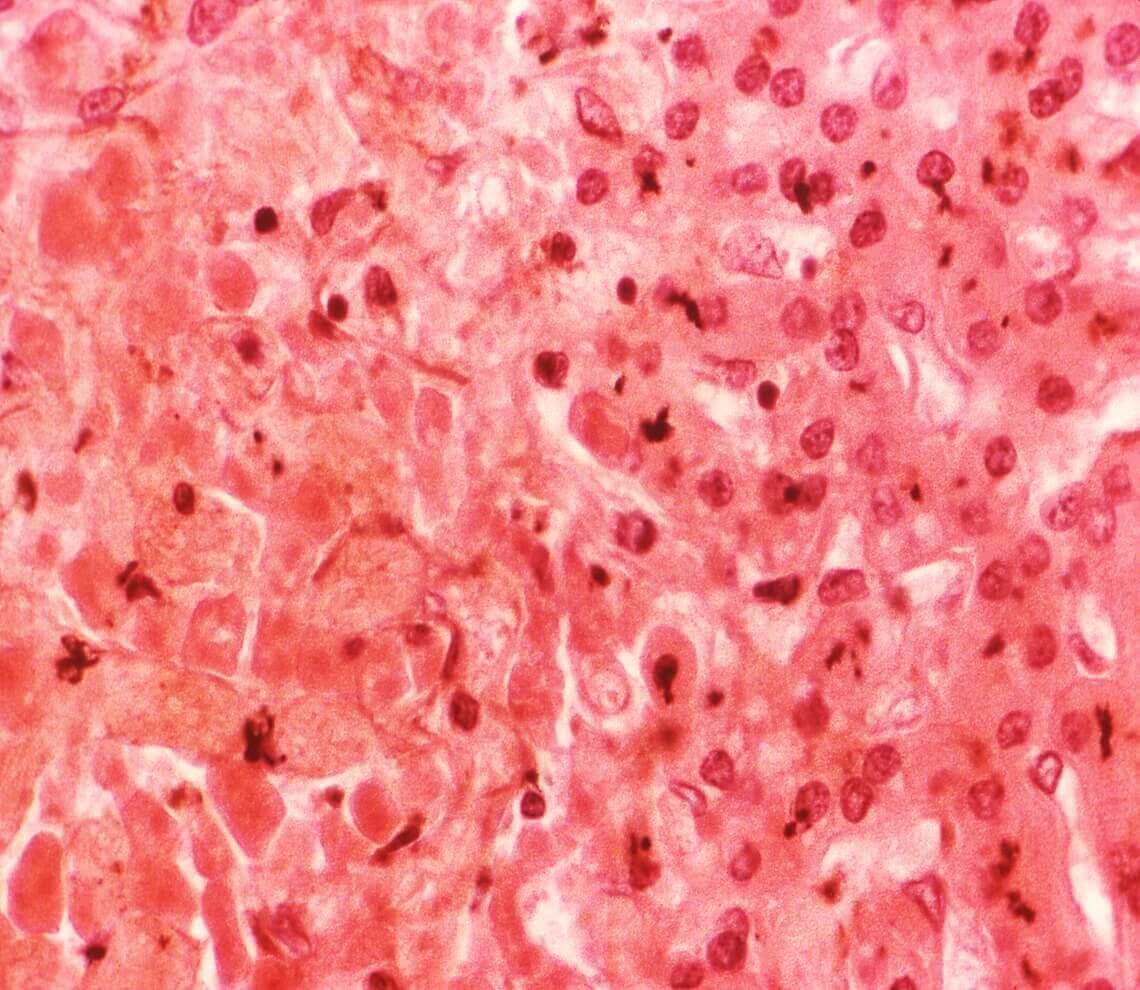
Product short description
Price:
354 EUR
Size:
100ug
Catalog no.:
GEN438110
Product detailed description
Concentration
N/A
Form/Appearance
N/A
Purification method
N/A
Gene name synonims
N/A
Gene name
PRLR
Clone
SPM213
Category
Antibodies
Clonality
Monoclonal
Immunoglobulin isotype
IgG1, kappa
Also known as
Prolactin Receptor
Host organism
Mouse (Mus musculus)
Subcategory
Mnoclonal antibodies
Other gene names
PRLR; PRLR; HPRL; MFAB; hPRLrI; PRL-R
Tested applications:
ELISA (EIA), Flow Cytometry (FC/FACS), Immunofluorescence (IF), Western Blot (WB), Immunoprecipitation (IP), Immunohistology (IH)
Other names
prolactin receptor isoform 1; Prolactin receptor; prolactin receptor; hPRL receptor; secreted prolactin binding protein; prolactin receptor; N/A
Storage and shipping
Store the antibody at +4C. Temperature variations in the range of 1 to 7 degrees Celsius are tolerable. We recommend NOT to freeze the antibody. Antibody is stable for 24 months.
Species reactivity
Human (Homo sapiens).; Due to limited knowledge and inability for testing each and every species, the reactivity of the antibody may extend to other species which are not listed hereby.
Description
The receptors are ligand binding factors of type 1, 2 or 3 and protein-molecules that receive chemical-signals from outside a cell. When such chemical-signals couple or bind to a receptor, they cause some form of cellular/tissue-response, e.g. a change in the electrical-activity of a cell. In this sense, am olfactory receptor is a protein-molecule that recognizes and responds to endogenous-chemical signals, chemokinesor cytokines e.g. an acetylcholine-receptor recognizes and responds to its endogenous-ligand, acetylcholine. However, sometimes in pharmacology, the term is also used to include other proteins that are drug-targets, such as enzymes, transporters and ion-channels.
Specificity and cross-reactivity
It recognizes a protein of 70kDa, identified as prolactin receptor. Prolactin is a pituitary hormone involved in the stimulation of milk production, salt and water regulation, growth, development and reproduction. The initial step in its action is the binding to a specific membrane receptor (prolactin receptor), which belongs to the superfamily of class 1 cytokine receptors. The function of the prolactin receptor is mediated, at least in part, by two families of signaling molecules: Janus kinases and signal transducers and activators of transcription.; Since it is not possible to test each and every species our knowledge on the corss reactivity of the antibodies is limited. This particular antibody might cross react with speacies outside of the listed ones.