
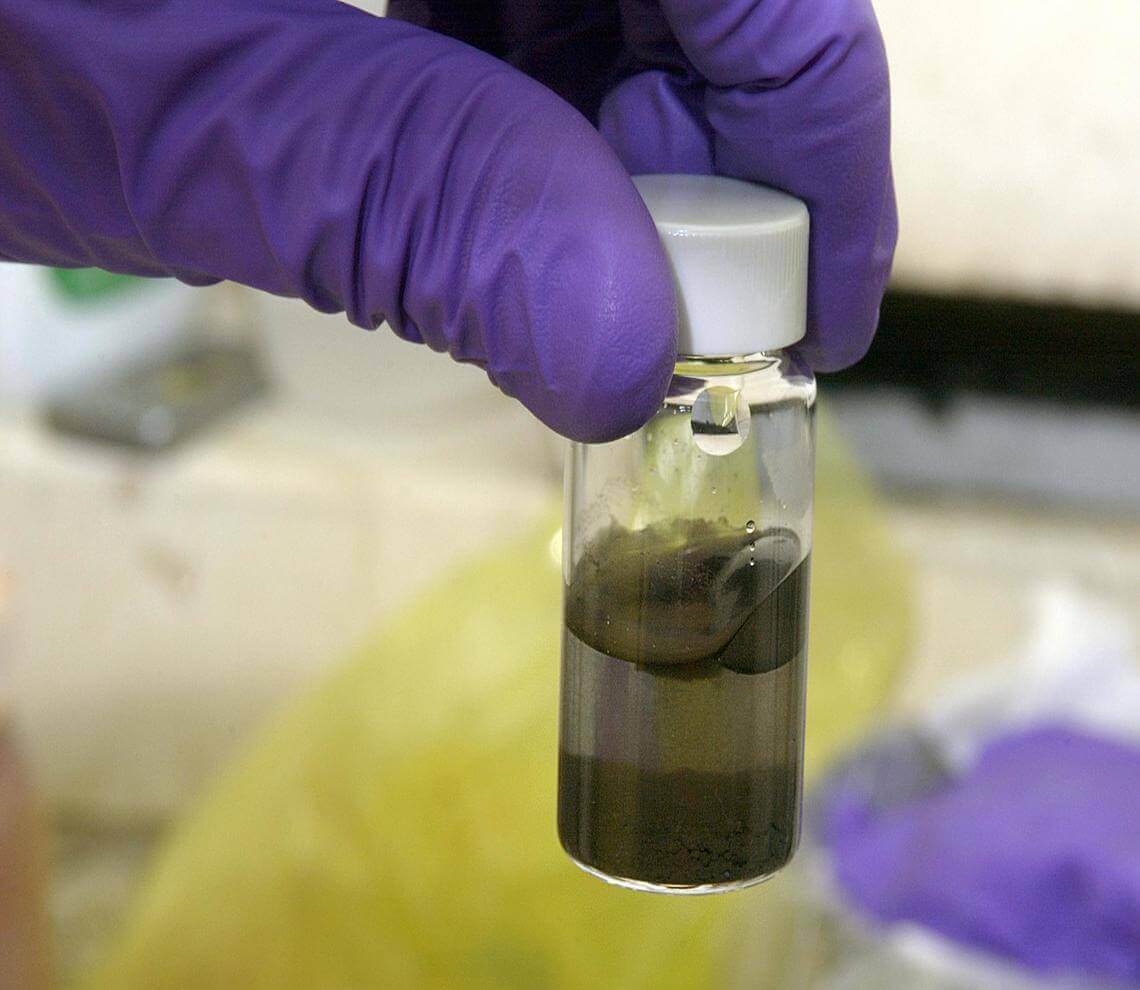
Product short description
Price:
735 EUR
Size:
100ul
Catalog no.:
GEN601536
Product detailed description
Concentration
N/A
Gene name
N/A
Gene name synonims
N/A
Other gene names
N/A
Other names
N/A
Immunoglobulin isotype
N/A
Tissue
cell
Clone
4i49
Category
Antibodies
Clonality
Monoclonal
Purification method
Ascites Ascites
Host organism
Mouse (Mus musculus)
Source organism
Human (Homo sapiens)
Subcategory
Mnoclonal antibodies
Also known as
Native Epithelial Cell Kinase
Form/Appearance
Supplied as a liquid, ascites, 30% glycerol.
Tested applications:
ELISA (EL/EIA), Western Blot (WB), Immunoprecipitation (IP)
Species reactivity
Canine, Human (Homo sapiens), Mouse (Mus musculus), Rat (Rattus norvegicus); Due to limited knowledge and inability for testing each and every species, the reactivity of the antibody may extend to other species which are not listed hereby.
Specificity and cross-reactivity
Recognizes human Eck/EphA2/Mpk-5, Mr 140kD. Species Crossreactivity: Mouse, rat and canine.; Since it is not possible to test each and every species our knowledge on the corss reactivity of the antibodies is limited. This particular antibody might cross react with speacies outside of the listed ones.
Storage and shipping
Store the antibody at +4 degrees Celsius for short term storage.. For long-term storage, For optimal long term storage, the antibody should be kept at -20 degrees Celsius. Aliquots are stable for at least 12 months the antibody should be stored at -20 degrees Celsius.. For maximum recovery of product, centrifuge the original vial after thawing and prior to removing the cap. Further dilutions can be made in assay buffer.
Description
For cells, cell lines and tissues in culture till half confluency.The receptors are ligand binding factors of type 1, 2 or 3 and protein-molecules that receive chemical-signals from outside a cell. When such chemical-signals couple or bind to a receptor, they cause some form of cellular/tissue-response, e.g. a change in the electrical-activity of a cell. In this sense, am olfactory receptor is a protein-molecule that recognizes and responds to endogenous-chemical signals, chemokinesor cytokines e.g. an acetylcholine-receptor recognizes and responds to its endogenous-ligand, acetylcholine. However, sometimes in pharmacology, the term is also used to include other proteins that are drug-targets, such as enzymes, transporters and ion-channels.