
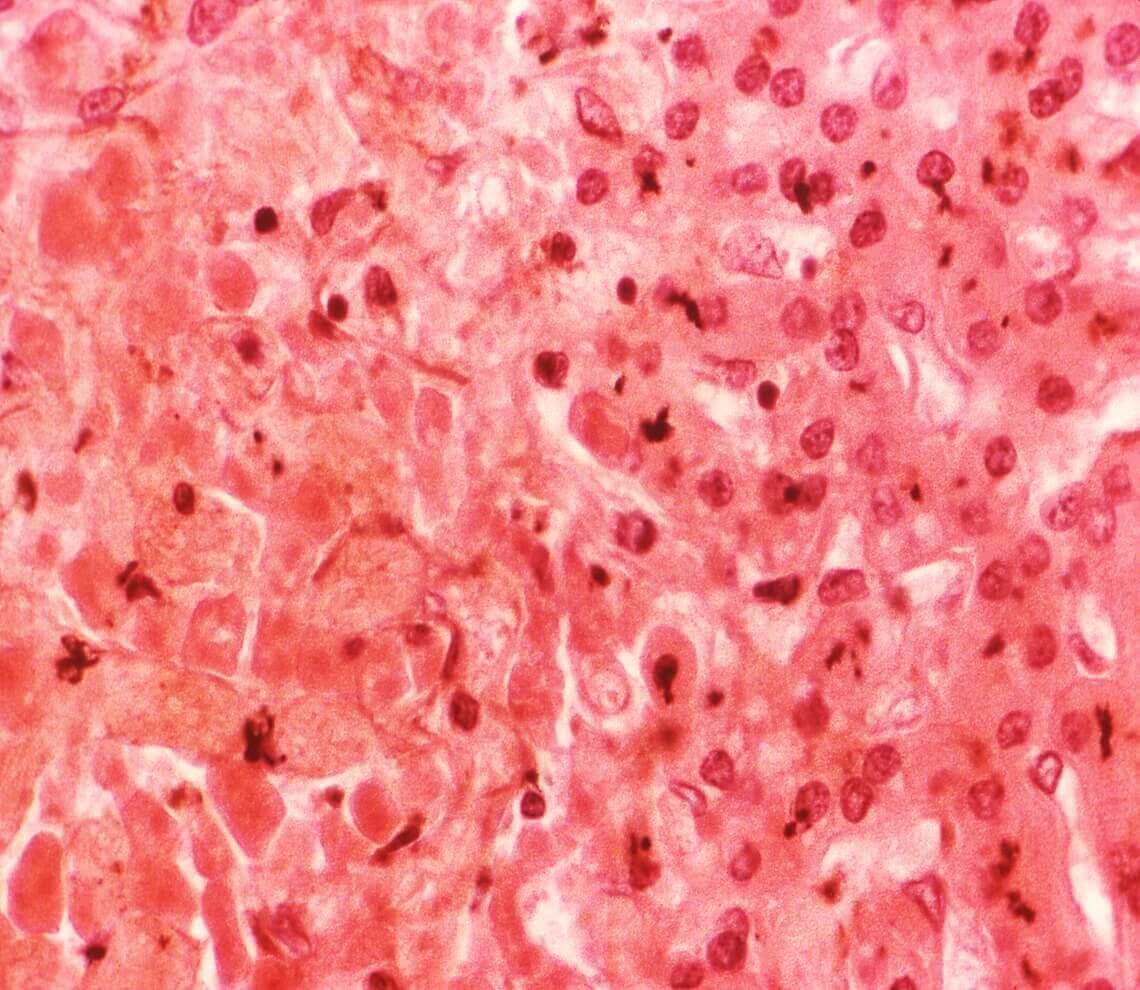
Product short description
Price:
619 EUR
Size:
50ug
Catalog no.:
GEN605610
Product detailed description
Concentration
N/A
Immunoglobulin isotype
N/A
Clone
9G391
Category
Antibodies
Clonality
Monoclonal
Tissue
nerve, tumor
Conjugation
Anti-FITC Antibody
Gene name
NGFR; N/A; N/A; N/A
Gene name synonims
NGFR; N/A; N/A; N/A
Other gene names
NGFR; N/A; N/A; N/A
Subcategory
Mnoclonal antibodies
Host organism
Mouse (Mus musculus)
Source organism
Human (Homo sapiens)
Also known as
Nerve Growth Factor Receptor, p75
Purification method
Affinity Purified by affinity chromatography.
Form/Appearance
Supplied as a liquid in Tris, 50mM sodium chloride. Conjugated to FITC.
Other names
nerve growth factor receptor; N/A; nerve growth factor receptor; N/A; N/A
Tested applications:
ELISA (EL/EIA), Immunohistochemistry (IHC), Flow Cytometry (FC/FACS), Immunofluorescence (IF)
Species reactivity
Canine, Feline, Human (Homo sapiens), Porcine, Rabbit (Oryctolagus cuniculus), Rat (Rattus norvegicus), Sheep; Due to limited knowledge and inability for testing each and every species, the reactivity of the antibody may extend to other species which are not listed hereby.
Specificity and cross-reactivity
Recognizes human p75NTR (low affinity neurotrophin receptor). Species Crossreactivity: rat, feline, canine, porcine, rabbit and sheep. Does not react with mouse.; Since it is not possible to test each and every species our knowledge on the corss reactivity of the antibodies is limited. This particular antibody might cross react with speacies outside of the listed ones.
Storage and shipping
Store the antibody at +4 degrees Celsius. For long-term storage, aliquot and keep at +4 degrees Celsius for up to one year. Do not freeze. Aliquots are stable for up to 4 months. Prior to use, briefly centrifuge the original vial after thawing and before lid. If further dilution(s) are needed, they can be done with the appropriate assay buffer. FITC conjugates are sensitive to light.
Properties
This MBS Monoclonals Fluorescein isothiocyanate (FITC) antibody is currently after some BD antibodies the most commonly used fluorescent dye for FACS. When excited at 488 nanometers, FITC has a green emission that's usually collected at 530 nanometers, the FL1 detector of a FACSCalibur or FACScan. FITC has a high quantum yield (efficiency of energy transfer from absorption to emission fluorescence) and approximately half of the absorbed photons are emitted as fluorescent light. For fluorescent microscopy applications, the 1 FITC is seldom used as it photo bleaches rather quickly though in flow cytometry applications, its photo bleaching effects are not observed due to a very brief interaction at the laser intercept. MBS Monoclonals FITC is highly sensitive to pH extremes.
Description
Aplha, transcription related growth factors and stimulating factors or repressing nuclear factors are complex subunits of proteins involved in cell differentiation. Complex subunit associated factors are involved in hybridoma growth, Eosinohils, eritroid proliferation and derived from promotor binding stimulating subunits on the DNA binding complex. NFKB 105 subunit for example is a polypetide gene enhancer of genes in B cells.The receptors are ligand binding factors of type 1, 2 or 3 and protein-molecules that receive chemical-signals from outside a cell. When such chemical-signals couple or bind to a receptor, they cause some form of cellular/tissue-response, e.g. a change in the electrical-activity of a cell. In this sense, am olfactory receptor is a protein-molecule that recognizes and responds to endogenous-chemical signals, chemokinesor cytokines e.g. an acetylcholine-receptor recognizes and responds to its endogenous-ligand, acetylcholine. However, sometimes in pharmacology, the term is also used to include other proteins that are drug-targets, such as enzymes, transporters and ion-channels.