
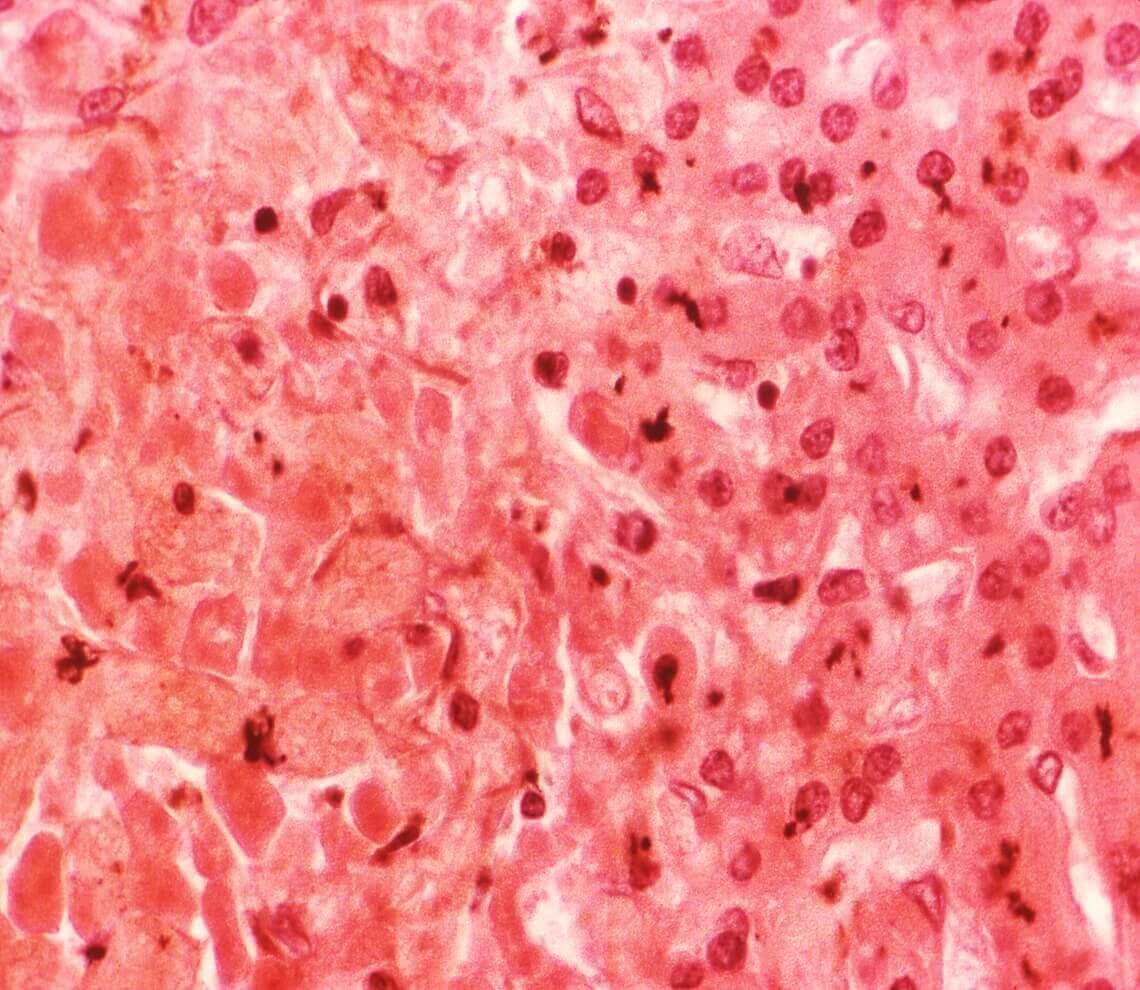
Product short description
Price:
735 EUR
Size:
100ul
Catalog no.:
GEN608258
Product detailed description
Concentration
N/A
Immunoglobulin isotype
IgG
Clone
9E553
Tissue
carcinoma
Category
Antibodies
Clonality
Monoclonal
Purification method
Supernatant
Source organism
Human (Homo sapiens)
Subcategory
Mnoclonal antibodies
Also known as
Smad5 phosphorylated
Host organism
Rabbit (Oryctolagus cuniculus)
Tested applications:
Western Blot (WB), Immunocytochemistry (ICC)
Other gene names
SMAD5; DKFZp781O1323; DWFC; JV5-1; MADH5; DKFZp781C1895; DKFZp781O1323; DKFZp781C1895
Gene name synonims
SMAD5; DKFZp781O1323; DWFC; JV5-1; MADH5; DKFZp781C1895; DKFZp781O1323; DKFZp781C1895
Gene name
SMAD5; DKFZp781O1323; DWFC; JV5-1; MADH5; DKFZp781C1895; DKFZp781O1323; DKFZp781C1895
Form/Appearance
Supplied in a liquid form in 50mM Tris-Glycine, pH 7.4, 0.15 M sodium chloride, 40% Glycerol, 0.01% sodium azide and 0.05% BSA.
Species reactivity
Human (Homo sapiens); Due to limited knowledge and inability for testing each and every species, the reactivity of the antibody may extend to other species which are not listed hereby.
Specificity and cross-reactivity
Recognizes human Smad5 phosphorylated at Serine 463 and 465.; Since it is not possible to test each and every species our knowledge on the corss reactivity of the antibodies is limited. This particular antibody might cross react with speacies outside of the listed ones.
Other names
SMAD5; Putative uncharacterized protein DKFZp781C1895; mothers against decapentaplegic homolog 5; OTTHUMP00000223331; SMA- and MAD-related protein 5; SMAD, mothers against DPP homolog 5; MAD, mothers against decapentaplegic homolog 5; mothers against decapentaplegic, drosophila, homolog of, 5; SMAD family member 5; N/A
Storage and shipping
Store the antibody at +4 degrees Celsius for short term storage.. Long-term storage should be done after aliquoting the antibody and freezing the aliqotes at -20 degrees Celsius. Under these conditions the aliquots will be stable for at least one year if kept at -20 °C. Prior to use, briefly centrifuge the original vial after thawing and before lid. If further dilution(s) are needed, they can be done with the appropriate assay buffer.