
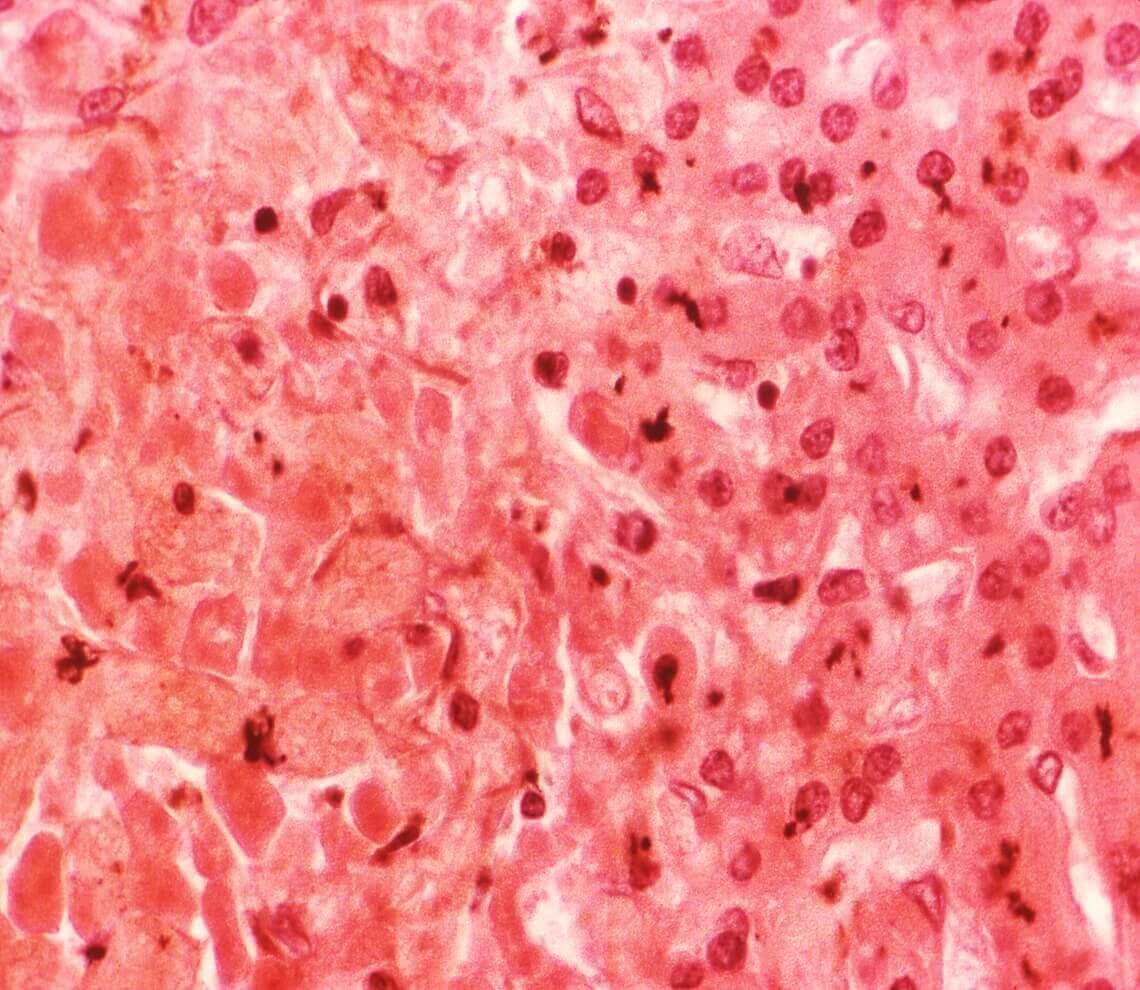
Product short description
Price:
730 EUR
Size:
100ul
Catalog no.:
GEN605279
Product detailed description
Concentration
N/A
Clone
3F311
Immunoglobulin isotype
IgG1,k
French translation
anticorps
Category
Antibodies
Clonality
Monoclonal
Subcategory
Mnoclonal antibodies
Host organism
Mouse (Mus musculus)
Source organism
Human (Homo sapiens)
Also known as
Parathyroid Hormone Receptor Type 1
Tested applications:
Western Blot (WB), Immunohistochemistry (IHC)
Purification method
Affinity Purified by Protein G affinity chromatography.
Other gene names
PTH1R; PTH1R; PFE; PTHR; PTHR1; PTHR; PTHR1; PTH/PTHr receptor
Gene name synonims
PTH1R; PTH1R; PFE; PTHR; PTHR1; PTHR; PTHR1; PTH/PTHr receptor
Gene name
PTH1R; PTH1R; PFE; PTHR; PTHR1; PTHR; PTHR1; PTH/PTHr receptor
Form/Appearance
Supplied as a liquid in PBS, pH 7.4, before the addition of gylcerol to 40%. Also available with BSA and azide. See P3109-51.
Properties
If you buy Antibodies supplied by MBS Monoclonals they should be stored frozen at - 24°C for long term storage and for short term at + 5°C.
Species reactivity
Human (Homo sapiens); Due to limited knowledge and inability for testing each and every species, the reactivity of the antibody may extend to other species which are not listed hereby.
Specificity and cross-reactivity
Recognizes Parathyroid Hormone Receptor Type I. Does not react with Parathyroid Hormone Receptor Type II. Species Crossreactivity: Human.; Since it is not possible to test each and every species our knowledge on the corss reactivity of the antibodies is limited. This particular antibody might cross react with speacies outside of the listed ones.
Storage and shipping
Store the antibody at +4 degrees Celsius for short term storage.. For long-term storage, For optimal long term storage, the antibody should be kept at -20 degrees Celsius. Aliquots are stable for at least 12 months the antibody should be stored at -20 degrees Celsius.. For maximum recovery of product, centrifuge the original vial after thawing and prior to removing the cap. Further dilutions can be made in assay buffer.
Other names
parathyroid hormone/parathyroid hormone-related peptide receptor; Parathyroid hormone/parathyroid hormone-related peptide receptor; parathyroid hormone/parathyroid hormone-related peptide receptor; PTH1 receptor; PTH/PTHr receptor; PTH/PTHrP type I receptor; parathyroid hormone receptor 1; seven transmembrane helix receptor; parathyroid hormone/parathyroid hormone-related protein receptor; parathyroid hormone 1 receptor; PTH/PTHrP type I receptor; PTH/PTHr receptor; Parathyroid hormone 1 receptor
Description
Sodium azide NaN3 is often used to prevent antibody degradation in 0,02% W/V concentrations. MBS Monoclonals supplies azide free antibodies on request.Recently MBS Monoclonals made this Parathyroid Hormone Receptor 1 (PTH Receptor) (BSA ) Antibody available without azide. It will stick less and is more suitable for ELISA or in vivo studies. However you need to store the @VV@ frozen and ship on dry ice.Hormone releasing factors and releasing hormones are signaling molecules produced by glands in multicellular organisms. The glands that secrete Luteinizing hormones LHRG and LH, FSH comprise the endocrine signaling system. The term growth hormone releasing hormone GHRH is sometimes extended to include chemicals produced by cells that affect the same cell (autocrine or intracrine signaling) or nearby cells (paracrine signaling). Human recombinant LHRG and GHRH are produced in E. coli or in yeast cells.The receptors are ligand binding factors of type 1, 2 or 3 and protein-molecules that receive chemical-signals from outside a cell. When such chemical-signals couple or bind to a receptor, they cause some form of cellular/tissue-response, e.g. a change in the electrical-activity of a cell. In this sense, am olfactory receptor is a protein-molecule that recognizes and responds to endogenous-chemical signals, chemokinesor cytokines e.g. an acetylcholine-receptor recognizes and responds to its endogenous-ligand, acetylcholine. However, sometimes in pharmacology, the term is also used to include other proteins that are drug-targets, such as enzymes, transporters and ion-channels.